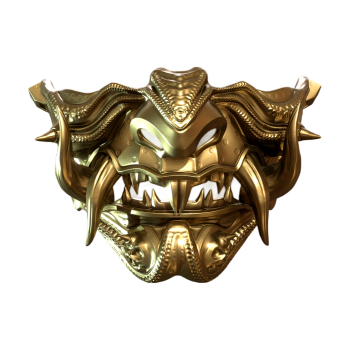
Bronze Samurai Mask (supports 3D printing)

Bronze Samurai Mask (supports 3D printing)

Antique Chinese bronze dagger

Antique Chinese bronze dagger

Ray's Vase

Ray's Vase

The "Lei vase" (Lei vase) was made around 1580 and is now in the collection of the Cernuschi Museum. This vase is famous for its unique design and exquisite craftsmanship.
Japanese-style copper plate

Japanese-style copper plate

bronze bird pendant
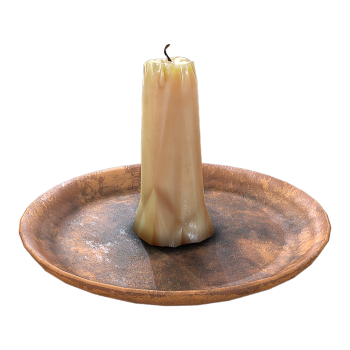
bronze bird pendant

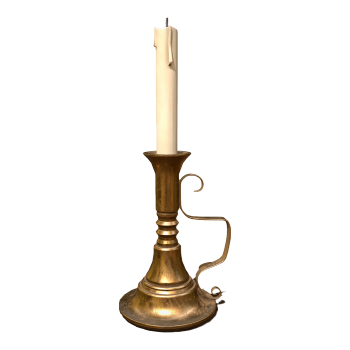
Copper Candlesticks and Candles
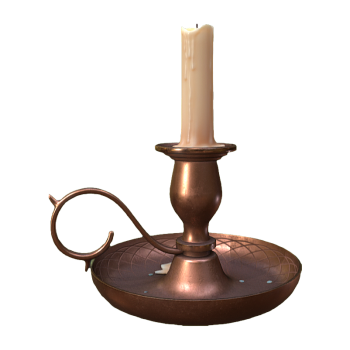
Copper Candlesticks and Candles

Candles with copper candlesticks

Candles with copper candlesticks

Oxidized Bronze Western Door Handle

Oxidized Bronze Western Door Handle

Oxidized vintage bronze table lamp

Oxidized vintage bronze table lamp

Vintage copper shell astronomical telescope

Vintage copper shell astronomical telescope

Bronze Faucet for Yard Irrigation

Bronze Faucet for Yard Irrigation

Vintage bronze candlestick

Vintage bronze candlestick

British Retro Bronze Switch

British Retro Bronze Switch

Lužánky Park Tolerance Statue in Brno

Lužánky Park Tolerance Statue in Brno

is an important work of art located in the Lužánky Park in Brno, Czech Republic. Originally in 1892 as part of the Joseph II Sculpture Group, located in Moravian Square. In 1918, the sculptures were removed, and the trade and tolerance statues were relocated to Denis's warehouse until 2005, when they were relocated in Lužánky Park.. Lužánky Park is not only the largest park in Brno, but also the oldest municipal park in the Czech Republic, with numerous sculptures, statues and fountains, an important place for citizens' leisure and cultural activities. The statue of tolerance has also become a symbol of Brno's cultural heritage.
Bust of Joseph Sumerick

Bust of Joseph Sumerick

He is a world-class Czech electrician, one of the founders of the Electrical Engineering School of Brno Technical University, and served as a professor and president of the school from 1912 to 1913. His field of research was not limited to electrotechnics, but also to acoustics and music, especially the tuning of keyboard instruments. He consulted with the famous composer Leios Janáczek on tuning issues and contributed to the "Dictionary of Music. His academic achievements have been widely recognized, including an honorary doctorate from the Czech Technical University in Prague. He has made a great contribution to the development of electrical technology in the Czech Republic and has published about 68 professional papers in the field of electrical engineering.
Memorial statue of President Thomas Garrig Masaryk in Brno

Memorial statue of President Thomas Garrig Masaryk in Brno

It was founded in honor of the first president of Czechoslovakia. The history can be traced back to August 29, 1937, when it was unveiled in the Pohuni section of the 1st of May Square. The bronze bust was created by Czech technical lawyer Vaclav Heinec Maher, while the base is made of Silesian granite and designed by A.Hladík. Masaryk's signature is engraved on the cylinder of the statue, and the surrounding garden is edited by the City Garden Authority. The statue is a tribute to President Masaryk and a symbol of Czech national renewal and democratic values. His contributions have an important place in Czech history and culture.
Bohuslav Martinu Bronze Head

Bohuslav Martinu Bronze Head

He was one of the most prolific Czech composers of the 20th century. His work incorporates French and Czech influences and is known for his unique style and technique. He began to study violin at the age of 7 and studied at the Prague Conservatory of Music. Later, he was expelled and began to study on his own. During the First World War, he lived in the countryside and began to compose music. In 1923, he went to Paris for further studies, where he lived until the 1940 invasion of France by Nazi Germany, after which he went into exile in the United States. In the United States, Martinu became a star composer and taught at Princeton University and many other universities. His music is known for its energy, charm and originality.
Rhino-JaroslavRóna

Rhino-JaroslavRóna

JaroslavRóna is a multi-talented Czech artist whose identities include sculptor, painter, actor, educator and writer. It is known for its sculptural works, which cover a wide range from public art to private collections. The artistic style is deeply influenced by primitive art and expressionism, and has created many striking sculptures and paintings. His works are famous for their strong visual impact and profound emotional expression. His sculptures often take the characters as the theme, and convey strong emotions and profound social comments through exaggeration and deformation.
Konopiště Castle Hunter Statue

Konopiště Castle Hunter Statue

Is a manifestation of the hunting passion of Archduke Franz Ferdinand. He is the last owner of the castle, an avid hunter whose hunting diary records more than 250,000 hunted kills, while the castle displays about 100,000 animal trophies. The hunter statue is not only a display of the archduke's personal hobbies, but also a reflection of the noble hunting culture of that era. The interior of the castle was decorated with a large number of weapons and intricate armor, further emphasizing Archduke Franz Ferdinand's love of hunting and military. It became an important part of the history and culture of Konopiště Castle.
Bronze Buddha Avatar

Bronze Buddha Avatar

Bird shaped incense burners from the Six Dynasties period in China

Bird shaped incense burners from the Six Dynasties period in China

Also known as bird shaped aromatherapy or bird shaped incense burners, it is an ancient tool used for burning incense. Usually made of metal materials such as bronze, it mimics the shape of birds and has unique artistic beauty and practical functions. In Chinese history, the bird shaped incense burners during the Six Dynasties period (220-589 AD) are particularly famous. During this period, incense burners not only pursued exquisite and meticulous design, but also reached a considerable level of craftsmanship. The production and use are closely related to the religious beliefs and cultural customs of ancient China. In Buddhist rituals, incense burners are often used for worship and worship, with cigarettes swirling around them, symbolizing the devotion of believers and their reverence for the Buddha.
Ancient ceremonial wine vessels - Minneapolis Institute of the Arts

Ancient ceremonial wine vessels - Minneapolis Institute of the Arts

This ceremonial wine vessel is an antique dating back to the 12th to 11th centuries BC and is now housed in the Minneapolis Museum of Art. It represents the drinking culture and etiquette of ancient civilization, reflecting the social hierarchy and religious beliefs of that time. This type of wine vessel is usually used in religious ceremonies or banquets to show respect and honor. Its exquisite craftsmanship and design not only showcase the superb skills of ancient craftsmen, but also provide us with a window to understand ancient society and culture.
Bronze Tripod Cauldron of the Shang Dynasty

Bronze Tripod Cauldron of the Shang Dynasty

The "Shang Dynasty Bronze Tripod" is a tableware from the 12th to 11th centuries BC, currently housed in the Minneapolis Museum of Art in the United States. The prototype of the tripod is a rough pottery of the same shape and name made during the Erlitou Culture period (around 3000-2000 BC). The edge of this tripod has thunder patterns, which is a symbol of copper casting in the Shang Dynasty.
Minneapolis Museum of Art Double Eagle Wine Jar
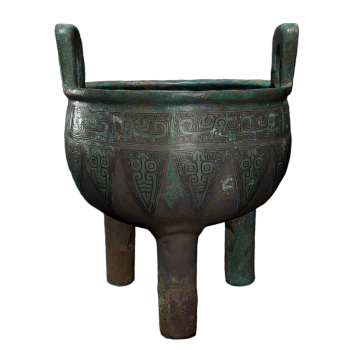
Minneapolis Museum of Art Double Eagle Wine Jar

It is an ancient artifact from the 12th to 11th centuries BC, shaped like two eagle heads facing each other. This artifact may have been used in religious ceremonies or as a symbol of power, as eagles symbolize strength and freedom in many cultures. They may be used as containers, and sometimes as decorations or gifts. The design of the Double Eagle not only showcases the superb craftsmanship of the craftsmen at that time, but also reflects the artistic style and social beliefs of that era. These types of artifacts were discovered during archaeological excavations, providing valuable physical evidence for our understanding of ancient civilizations. Now collected at the Minneapolis Museum of Art.
1 2 3 4 Next